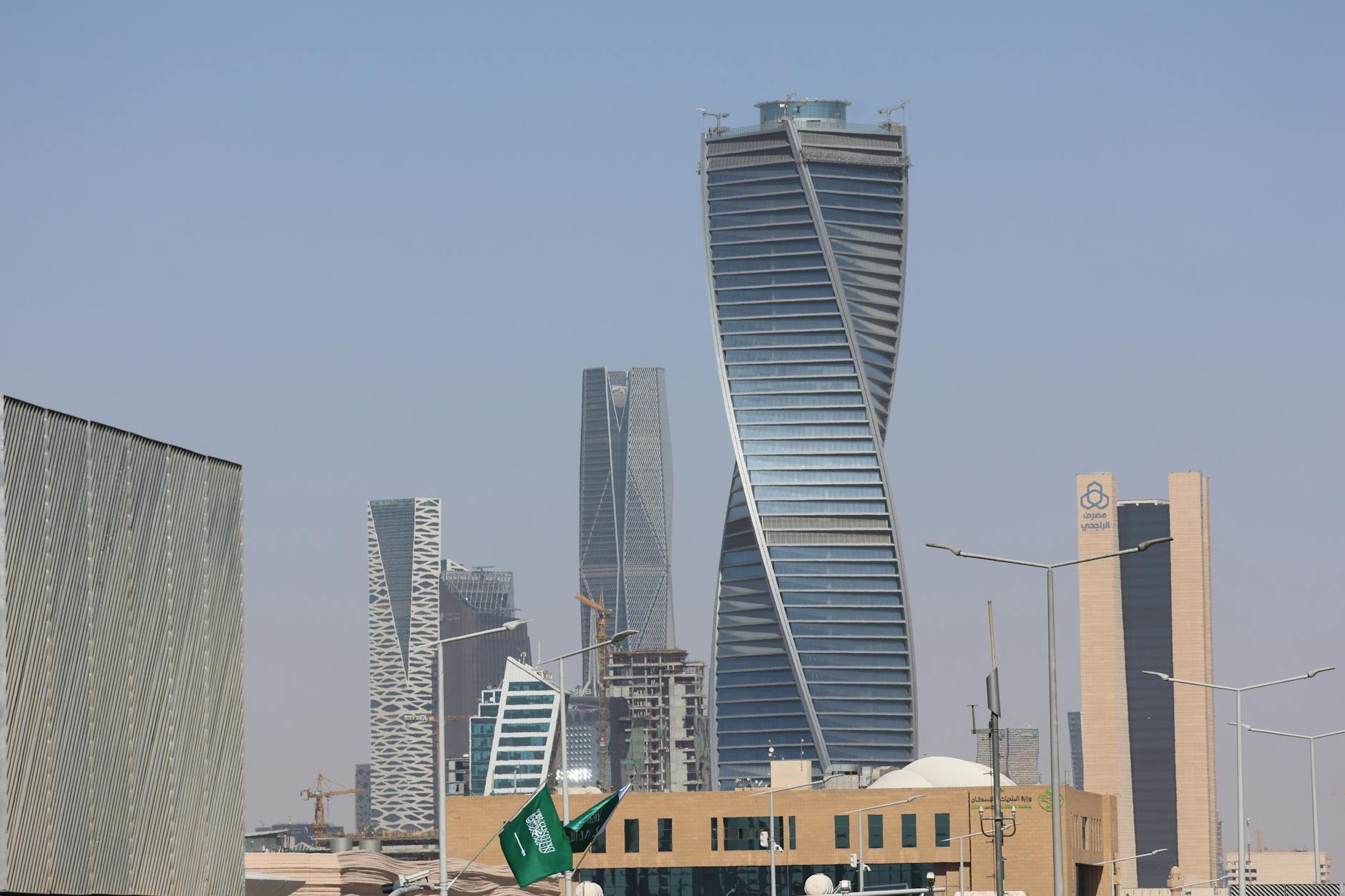
The Infrastructure Dividend: How Saudi Vision 2030's Telecom Ambitions Are Reshaping Capital Returns Across the GCC

إشعار
هذا المقال يعبّر عن آراء المحلل. لأغراض معرفية فحسب. لا تُعدّ هذه المعلومات نصيحةً استثماريةً أو توصيةً أو دعوةً للاكتتاب. يُنصح باستشارة مستشارٍ ماليٍّ مرخّصٍ قبل اتخاذ أيّ قرارٍ استثماري.
There is a peculiar irony embedded in the history of Gulf telecommunications. For decades, the region's mobile operators were treated by international capital as a category of emerging market growth story, valued on subscriber additions and network expansion into underserved populations. That framing was always partially wrong. GCC telecom markets were never truly emerging. They were, from relatively early in their development, mature oligopolies operating inside regulatory environments that functioned more like utility pricing frameworks than competitive marketplaces. The subscriber growth story simply obscured the infrastructure reality underneath.
What Saudi Vision 2030's telecom impact has done, with a clarity that rewards careful reading, is make that infrastructure reality impossible to ignore. The Kingdom's ambition to rank among the world's top ten digitally competitive economies by the end of this decade has translated into a set of structural commitments that are reshaping capital allocation across the entire GCC sector, not merely within Saudi borders.
This structural shift has consequences for how GCC telecom dividend stocks should be analyzed in 2025.
The numbers carry the argument. Saudi Arabia has committed to connecting 98 percent of households to fiber broadband as part of its national connectivity program, a target that implies sustained capital expenditure by both STC and its infrastructure partners well into the latter half of this decade. Fiber rollout at that scale is not a technology story. It is a capital structure story. It requires operators and their tower and fiber infrastructure subsidiaries to absorb significant upfront investment in exchange for a long-duration asset base that generates predictable, regulated-adjacent cash flows for years afterward. The return profile resembles a toll road more than a handset upgrade cycle.
This structural shift has consequences for how GCC telecom dividend stocks should be analyzed in 2025. The conventional dividend sustainability framework, which evaluates payout ratios against trailing free cash flow, understates the complexity of the current moment. Operators deploying capital at scale into fiber and 5G simultaneously are compressing near-term free cash flow while building the asset base that will support future cash generation. STC's dividend has remained a central feature of its investment case through this cycle, supported partly by the monetization of its tower infrastructure through TAWAL and partly by the relatively disciplined capital allocation that comes from operating in a market where the regulatory environment provides visibility on returns.
The Etisalat e& earnings analysis for 2024 and into 2025 offers a useful comparative lens. The Abu Dhabi-based operator, which rebranded to e& in 2022 in a deliberate signal of its ambition to be valued as a technology and digital services group rather than a traditional mobile carrier, has pursued a different capital allocation strategy. Its international expansion, including significant investments across Africa and the acquisition of a stake in PPF Telecom, has diversified its revenue base in ways that STC's more domestically concentrated model has not. E& reported group revenues of approximately 60 billion dirhams in its most recent full-year results, with its international operations contributing a growing share. The strategic logic is coherent: as UAE domestic mobile markets approach saturation in penetration terms, growth must come from either digital services monetization or geographic expansion, and e& has chosen both simultaneously.
What connects these two operators, despite their different strategic postures, is the underlying question of how infrastructure ownership is priced in concentrated markets. Both benefit from regulatory environments that limit the intensity of price competition. Both have used infrastructure separation, through tower subsidiaries and wholesale fiber vehicles, to surface asset values that were previously buried inside integrated balance sheets. And both are navigating the same fundamental tension between the capital demands of network modernization and the expectations of income-oriented investors who hold GCC telecom dividend stocks precisely because they expect reliable and growing distributions.
The Saudi Vision 2030 telecom impact extends beyond STC's capital program. It has catalyzed a broader regional conversation about digital infrastructure as a sovereign asset class. When governments invest in national fiber programs and spectrum policy frameworks designed to accelerate 5G deployment, they are effectively setting the long-term return parameters for the operators who build on top of those frameworks. The Vision 2030 digital infrastructure commitments have made Saudi Arabia one of the more legible regulatory environments in the region for infrastructure investors precisely because the policy direction is explicit and the timeline is defined.
What the sector story actually means in 2025 is this: GCC telecom is not a growth story and has not been for some time. It is an infrastructure yield story operating inside a policy environment that is, for the moment, unusually well-aligned with the interests of long-duration capital. The dividend is not incidental to the thesis. It is the thesis, supported by asset bases that governments have decided, for reasons of national competitiveness, to keep building.
For informational purposes only. This is research and analysis, not a solicitation or an endorsement. Consult a licensed financial advisor before making any investment decision.

يغطي حمد قطاع الاتصالات الخليجي بالنظر إلى ما وراء إعلانات الشبكات إلى هيكل رأس المال والاقتصاديات التنظيمية تحتها. يعامل شركات الاتصالات كما هي فعلاً في السياق الخليجي، أعمال بنية تحتية ناضجة ذات عوائد خاضعة للتنظيم ومواقع تنافسية مركّزة وملفات أرباح موزّعة تكشف عن ثقة الإدارة أكثر مما تفعل أي نشرة صحفية. يكتب للمستثمرين الذين يريدون القصة الهيكلية لا القصة التقنية.
عرض الملف الكامل ←︎