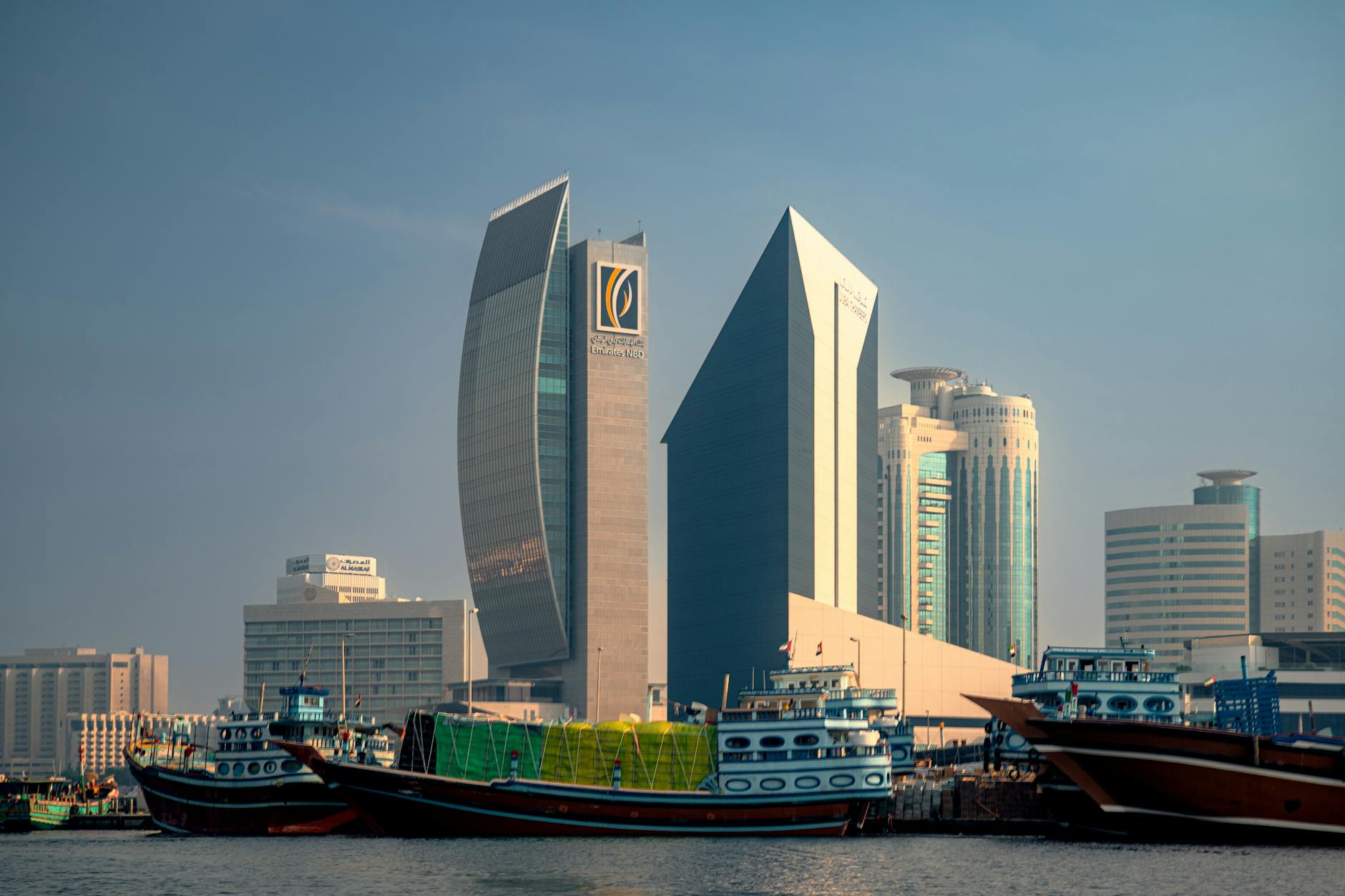
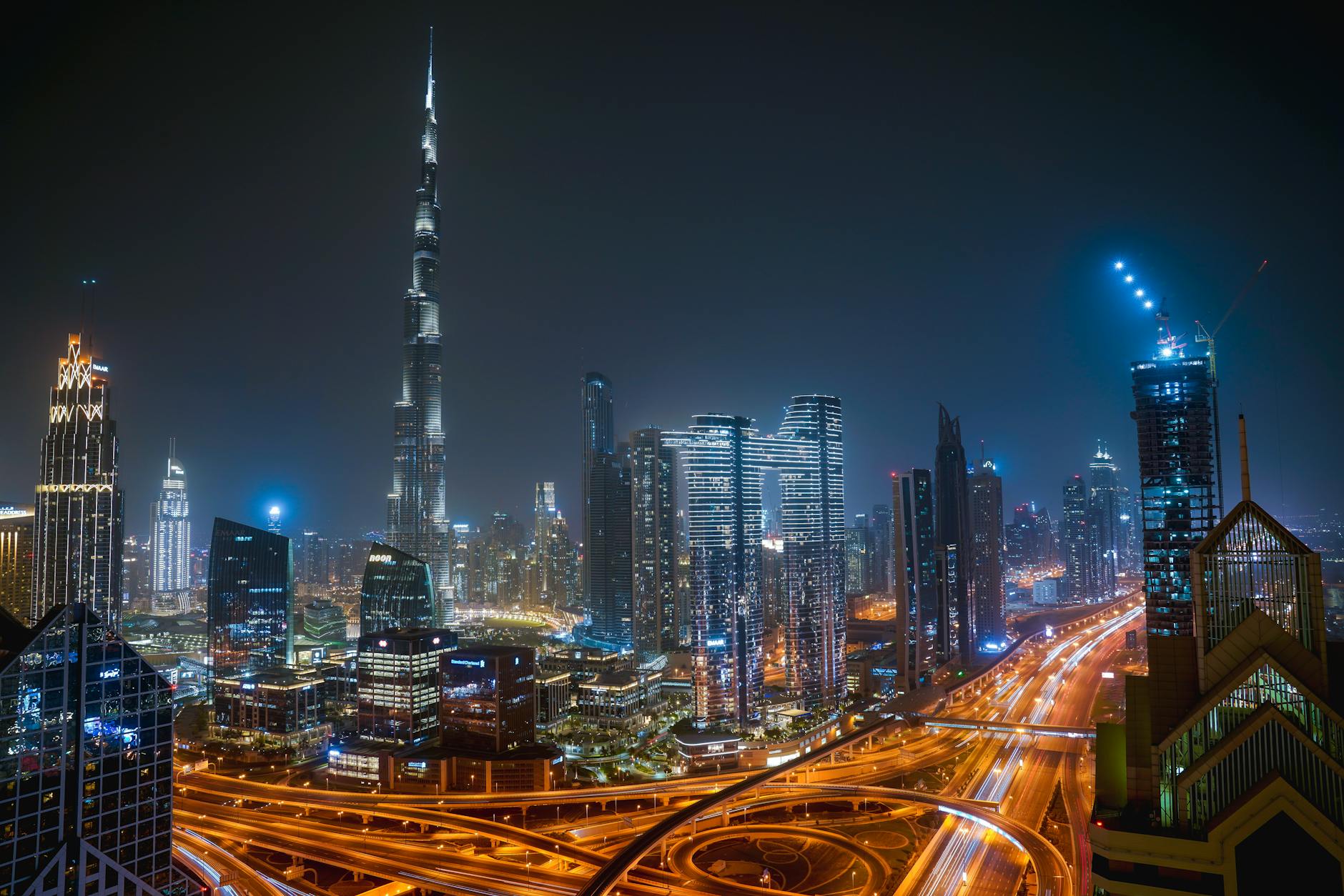
In the mid-tier segment, Living Legends, Town Square, and Al Furjan achieved returns of 7% to 9%.
At the top of the market, the picture is more complicated.
Luxury villa rents broadly declined by up to 24%.
The investor who bought a premium villa in 2022 expecting yield compression to work in their favor is now watching rental income fall while the asset's capital value has appreciated, a combination that flatters net worth statements but punishes cash flow models.
The continued moderation in rental growth in Dubai can be attributed to the regulatory impact of the Smart Rental Index, as well as increased new supply delivered over recent quarters.
The Smart Rental Index caps the rate at which landlords can raise rents at renewal, which means the income upside for existing stock is structurally bounded even as new supply competes for the same tenant pool. For investors underwriting Dubai real estate rental yields on a five-year hold, the regulatory ceiling on rent increases is a variable that belongs in the model.
Approximately 87% of purchases in Dubai are made without mortgage financing, which reduces sensitivity to interest rate movements.
That cash-buyer dominance has insulated transaction volumes from the rate environment that has pressured leveraged real estate globally.
About 10,800 mortgage transactions were registered in Q1 2026, a 16.1% increase compared to the same period in 2025.
The mortgage market is growing from a low base, and as it deepens, the price discovery mechanism in Dubai will increasingly reflect financing costs rather than purely cash return expectations.
The Saudi REIT market offers a different set of trade-offs.
By early 2025, listed REITs were managing a portfolio of 229 properties, 216 situated in Saudi Arabia and 13 placed abroad.
By 2024, the value of REIT-owned assets grew to around SAR 30 billion, with leading funds maintaining their commitment to dividend distribution.
The asset base is substantial, but the earnings trajectory has created a tension that Saudi REIT fund analysis cannot ignore.
Earnings for companies in the Saudi REIT industry have declined 18% per year over the last three years, while revenues grew 6.2% per year, meaning that although more sales are being generated, the cost of doing business has increased and decreased profits.
Riyad REIT illustrates the dynamic precisely.
Gross revenue for the year 2025 amounted to SAR 275.5 million, representing growth of 4.18% year on year, yet the fund recorded a net loss of SAR 13.5 million.
The revenue line is growing. The bottom line is not. The gap is explained by non-cash fair value losses on international equity instruments, a structural feature of funds that hold assets outside the Kingdom and mark them to market. For income-focused investors, the distinction between distributable cash flow and reported net profit is the most important number in the fund's disclosure, and it is frequently the one buried deepest.
Derayah REIT's current portfolio consists of 24 income-generating real estate assets distributed across 6 cities and 9 real estate sectors in Saudi Arabia, with total asset value of SAR 1.49 billion as of December 31, 2025.
The fund distributes quarterly dividends of no less than 90% of net profit to unit holders.
The sectoral and geographic diversification within a single listed vehicle is the structural advantage Saudi REITs offer over direct property ownership. An investor buying a single apartment in Dubai carries full concentration risk on one asset, one location, and one tenant. A listed REIT spreads that exposure across retail, office, hospitality, and logistics assets in multiple cities, with the liquidity of a publicly traded security.
In 2025, financing costs for Saudi REITs are expected to decrease by 15% to 20%, which could make these funds more cost-effective and appealing to investors.
If that cost reduction flows through to distributable income, the yield gap between Saudi REITs and direct Dubai residential property narrows in a way that changes the relative attractiveness of each structure.
There are about 12 listed Shariah-compliant REITs in Saudi Arabia, yielding 3% to 4% yearly.
Against Dubai apartment gross yields of 7% or more, that spread looks wide. Against Dubai net yields of 5% or below, after costs and vacancy, the comparison tightens considerably.
The GCC investor choosing between direct Dubai residential exposure and listed Saudi REIT exposure is not choosing between high yield and low yield. They are choosing between illiquid, operationally intensive, high-gross-yield assets in a market where price appreciation has already run 78% since the cycle began, and listed, liquid, lower-gross-yield vehicles in a market where earnings compression has been real but where the structural demand drivers of Vision 2030 urban expansion are still years from full expression. Both carry risk. The numbers, arranged correctly, make that obvious.
For informational and research purposes only. Not a solicitation. Consult a licensed financial advisor before making any investment decision.