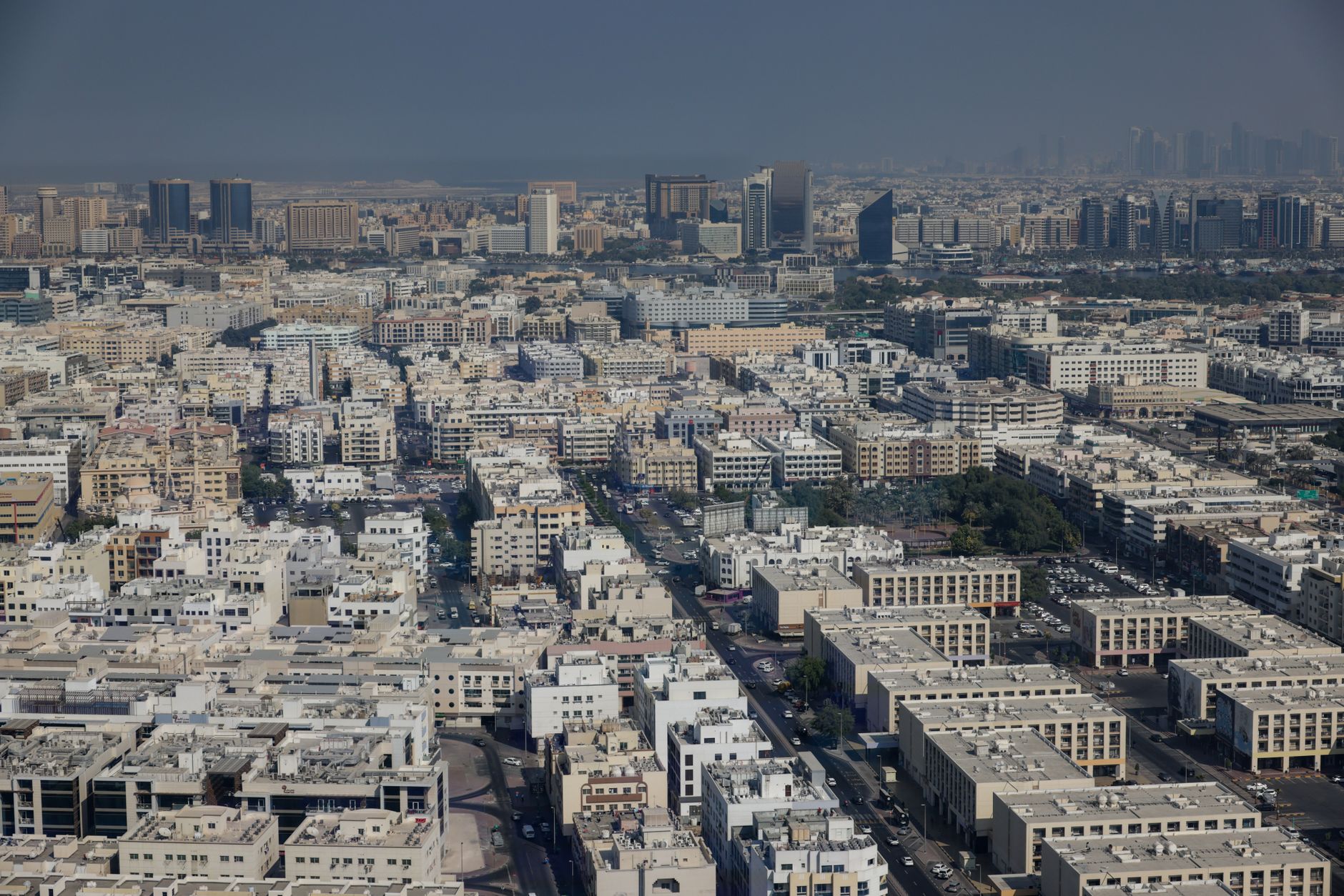
Retail investors and high-net-worth individuals played a crucial role in boosting DFM's liquidity, contributing around 29 percent of total trading activity in the first half of the year.
That degree of domestic participation is itself a signal of consumer confidence that no sentiment survey can fully capture.
The Saudi picture is more complicated, and more interesting for that complexity.
The Saudi Exchange fell 13 percent across 2025, marking the lowest annual close in three years and the largest annual decline in a decade, driven by weak liquidity, declining trading volumes, falling oil prices, and global and regional geopolitical tensions.
Against that backdrop, the emergence of Jarir Marketing as one of Tadawul's top ten performers this year demands careful examination rather than reflexive celebration. A single stock's outperformance within a declining index can mean many things. What it means in Jarir's case is worth unpacking.
Jarir Marketing recorded a strong financial performance in the first quarter of 2026, with net profits rising 16.6 percent to reach SAR 253.5 million, driven by a 12.9 percent increase in gross profit and a 14.3 percent increase in total revenues to SAR 3 billion, reflecting sustained consumer demand for Jarir's products in the Saudi market.
The smartphone category continues to be the primary engine of that growth, which is analytically significant. Saudi Arabia's youth population, among the youngest in the world by median age, is upgrading devices at a pace that sustains Jarir's top line even when the broader retail environment faces pressure.
Over the last year, Jarir's stock has shown a 37.56 percent increase.
That kind of move, in a market that has been broadly declining, reflects genuine earnings momentum rather than multiple expansion.
Yet there is a structural tension embedded in Jarir's investment case that the near-term numbers do not fully resolve.
Changes in consumer preferences toward hospitality, dining, and other entertainment avenues, a rising number of physical and online stores, and the launch of Apple stores all represent headwinds to Jarir's longer-term positioning.
This is precisely the consumption shift that Vision 2030 is engineering. As Saudi households spend more of their discretionary budgets on experiences rather than electronics, the addressable market for a retailer like Jarir faces structural pressure from the very policy success the Kingdom is pursuing. The company's strong quarterly performance is real. The longer cycle it must navigate is also real.
Which brings us to Bahrain, and to a corporate governance development that is smaller in market capitalization terms but significant in what it signals about the direction of GCC leisure and hospitality investment.
The appointments at Bahrain Family Leisure Company follow the completion of a share-swap reverse merger between BFLC and Truffle Hospitality Holding, the hospitality and entertainment subsidiary of Dividend Gate Capital, pursuant to which DGC became the majority shareholder of the company.
The new board is chaired by Mohamed Nedham Khonji.
The new board will oversee the next phase of the company's growth, building on its position as one of Bahrain's largest listed hospitality and entertainment groups and supporting the continued expansion of its portfolio across Bahrain and the wider GCC.
The structure of this transaction, a private equity firm using a listed vehicle to consolidate hospitality and food and beverage assets, is a pattern that has been repeating itself across the GCC with increasing frequency.
Following its merger with Truffle Hospitality Holding, the company has become one of Bahrain's largest listed hospitality and food and beverage groups, managing a diversified portfolio of more than 20 brands across multiple dining segments, with a focus on operational excellence and sustainable growth across Bahrain and the wider GCC.
The consolidation of fragmented entertainment and dining assets under professionally governed listed entities is itself a structural response to the demographic and policy forces reshaping GCC household spending. Governments across the Gulf have spent the better part of a decade investing in entertainment infrastructure precisely because they understand that a young, increasingly urban population will spend on experiences. Private capital is now following that signal.
Read together, these three developments sketch a regional consumer landscape that is neither uniformly strong nor uniformly weak. Dubai's equity market is absorbing the benefits of genuine economic diversification and a residential population that is growing and spending. Saudi retail is producing isolated pockets of earnings resilience even as the broader market digests a difficult year. And Bahrain's hospitality sector is consolidating in anticipation of a demand cycle that the region's demographics have long promised. The patient analyst does not pick one of these stories. The patient analyst reads all three as chapters in the same longer book.
For informational and research purposes only. Not a solicitation. Consult a licensed financial advisor before making any investment decision.