Thin Markets, Thick Concentration: What One Week of GCC Trading Volumes Reveals About Structural Liquidity Risk

Disclaimer
This article represents the analyst's views. For informational purposes only. Not investment advice, a solicitation, or a recommendation. Consult a licensed financial advisor before making any investment decision.
The numbers from last week's trading sessions across the GCC's two most watched equity markets tell a story that goes well beyond a routine weekly summary. Saudi Arabia's Tadawul posted total trading value of 1.72 billion riyals across the week. The Dubai Financial Market recorded 6.7 billion dirhams in domestic equity turnover. And within that Dubai figure sits the detail that matters most: five stocks accounted for 55 percent of the entire week's trading value on the DFM. That single statistic is not a curiosity. It is a structural diagnosis.
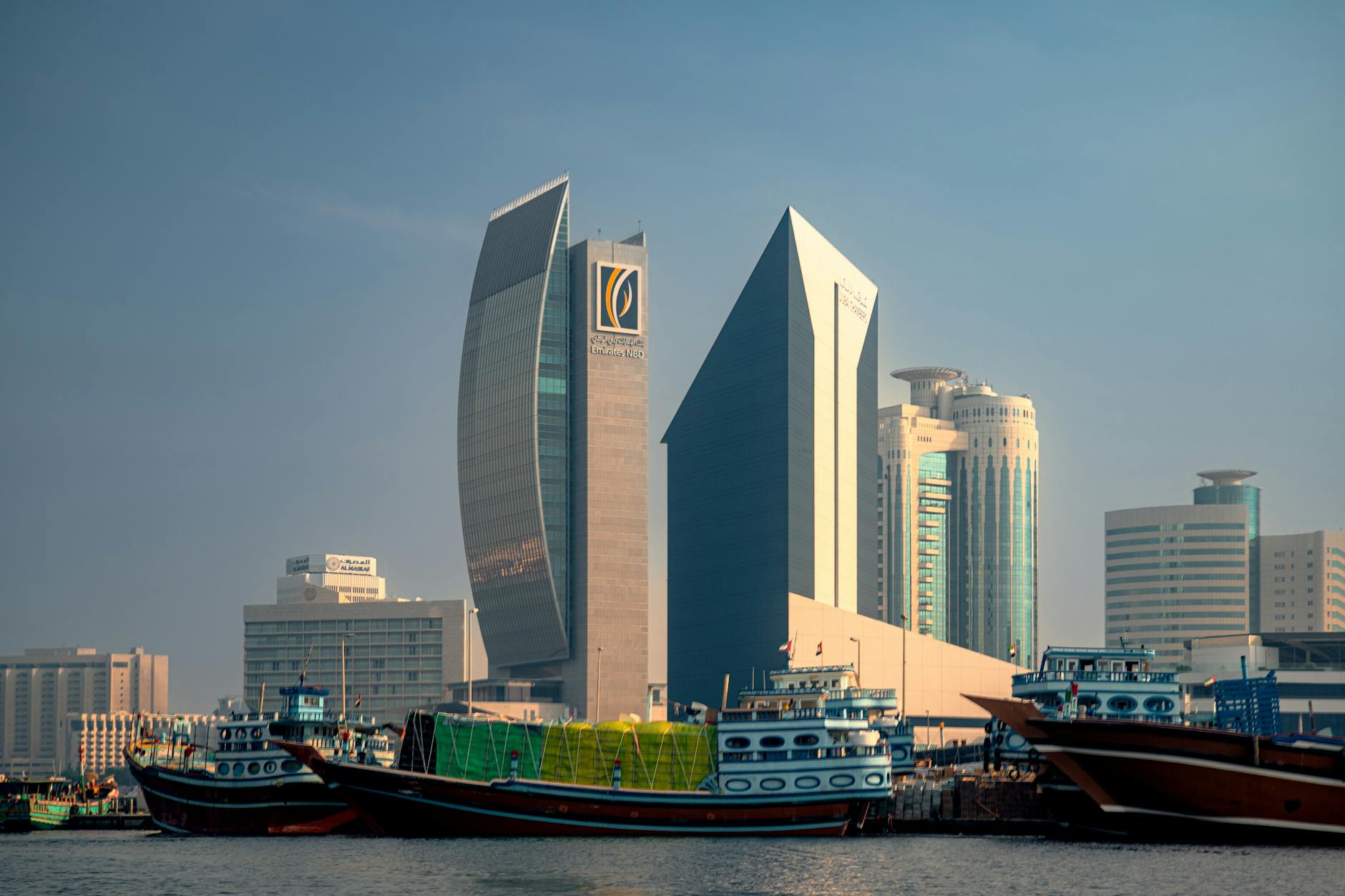
Start with the concentration problem in Dubai. A market where five names absorb more than half of all weekly turnover is not a broad-based equity market in any functional sense. It is a market with a liquid core and an illiquid periphery, and the two operate under entirely different conditions. The names that consistently dominate DFM volume are well known: Emaar Properties, Emirates NBD, Dubai Islamic Bank, and a rotating cast of financial sector heavyweights that between them represent the commanding heights of the emirate's listed economy.
Al Rajhi Bank topped the GCC's most-traded list with $6.9 billion in trading value over a recent period, followed by Saudi Aramco and Emaar Properties at roughly $6 billion each, illustrating how the same handful of names absorb liquidity across the region's exchanges week after week. When five stocks capture 55 percent of a single market's weekly turnover, the 60-plus remaining listed companies on the DFM are effectively trading in a different market, one where bid-ask spreads are wider, price discovery is slower, and institutional exit is structurally harder.
Stocks mentioned

About the Analyst: Rima
Real EstateRima covers GCC real estate the way investigative reporters cover financial fraud, by following the transactions, reading the filings, and finding the number that changes the story. She believes that every property market tells you exactly where it is headed as long as you are willing to look at what is actually selling, what is sitting empty, and what the financing looks like underneath.
View Full Profile →︎