The deliberate broadening of the participant base from pure institutional capital toward family offices and ultra-high-net-worth individuals reflects a structural maturation in Saudi Arabia's real estate capital markets. The Kingdom is not simply seeking more of the same money. It is seeking a more layered and diversified investor base, one that mirrors the composition of mature markets in London, Singapore and New York, where the distinction between institutional and private capital has long since blurred at the high end.
The platform is designed to connect capital directly with investment opportunities through concierge-led introductions, curated meetings, private site visits and targeted matchmaking.
The concierge model is not incidental. It signals that the friction being solved is not informational but relational, which is precisely the kind of friction that persists when a market is genuinely opening rather than merely performing openness.
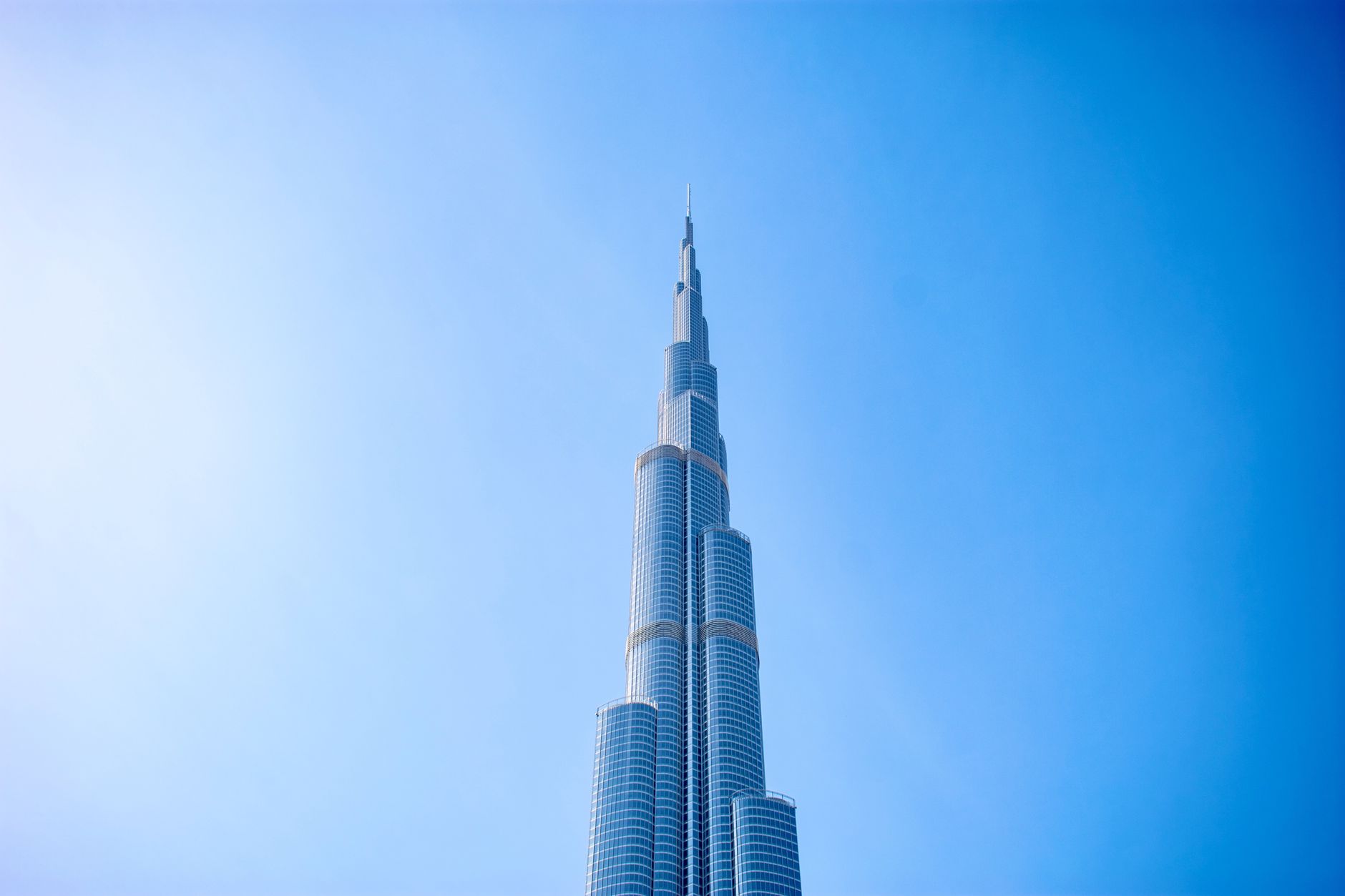
Now move northwest to Dubai, where a different but complementary story is unfolding in the luxury residential segment.
2025 was a record year for the Dubai housing market, with over 200,000 residential sales transactions, and price growth is moderating heading into 2026, but values remain approximately 15% higher year on year.
What is analytically interesting here is not the continued appreciation but the quality of the market's composition as it moderates.
For buyers considering entry in 2026, the market offers a more balanced environment than the momentum-driven conditions of recent years, with buyers having greater negotiating leverage, more time for due diligence, and the ability to be selective about location and property quality, a shift from urgency to considered decision-making that favors investors focused on long-term value.
This is a meaningful structural development. Markets that transition from speculative velocity to considered conviction tend to be more durable, and the Dubai luxury segment appears to be making exactly that transition.
Dubai's luxury property market is showing notable composure in 2026, and at a time when geopolitical uncertainty might once have triggered rapid price adjustments or distressed selling, the market instead appears measured, confident and, above all, patient.
The behavioral shift is as important as the price data.
The ultra-luxury segment is characterized by sophisticated buyers who prioritize quality, location, and long-term value over price sensitivity, with many transactions in this tier involving family offices, established entrepreneurs, and executives relocating to Dubai as part of the broader wealth migration trend affecting the UAE.
The supply dynamics reinforce this reading.
Developers launched over 150,000 new units in 2025, but actual handovers came in below initial forecasts, easing near-term oversupply concerns.
At the ultra-prime end, the constraint is even more structural.
While Dubai has a significant pipeline of mid-market apartments scheduled for delivery, ultra-luxury supply remains constrained, with developments in the higher price ranges requiring longer construction timelines, prime land parcels, and established developer credentials, limiting how quickly new supply can enter the market.
Against this backdrop, the softening of the QSE index this week reads less as a regional alarm and more as a reminder that Qatar's equity market, sensitive as it is to oil price movements and global rate expectations, operates on a different rhythm than the property and private capital flows reshaping the broader GCC investment landscape. The equity market tells you what public investors are pricing today. The capital flows into Riyadh masterplans and Dubai ultra-prime villas tell you what private capital believes about the next decade.
What the week's three data points share, beneath their surface differences, is a single underlying narrative: the GCC is no longer a market that global capital approaches with exploratory curiosity. It is a market that global capital is actively structuring itself to access, and that is a fundamentally different posture. The institutions attending Cityscape are not conducting due diligence. They have completed it. The family offices buying in Palm Jumeirah are not hedging. They are allocating. The transition from interest to commitment, quiet and largely unreported, may be the most consequential financial story in the region right now.
For informational and research purposes only. Not a solicitation. Consult a licensed financial advisor before making any investment decision.